
Introduction
High blood pressure is no longer just a condition affecting older adults—it is increasingly common among people in their 30s and 40s. The biggest concern? Most individuals don’t even realize they have it.
Medically known as Hypertension, this condition silently damages vital organs like the heart, brain, and kidneys if left unmanaged.
👉 The good news: With the right approach, hypertension can be effectively controlled—and in some cases, even reversed naturally.
Why Controlling Blood Pressure is Critical
Uncontrolled blood pressure significantly increases the risk of:
- Heart attack
- Stroke
- Kidney failure
- Vision loss
👉 Even a 10 mmHg reduction in blood pressure can dramatically lower these risks.
Step-by-Step Plan to Control High Blood Pressure
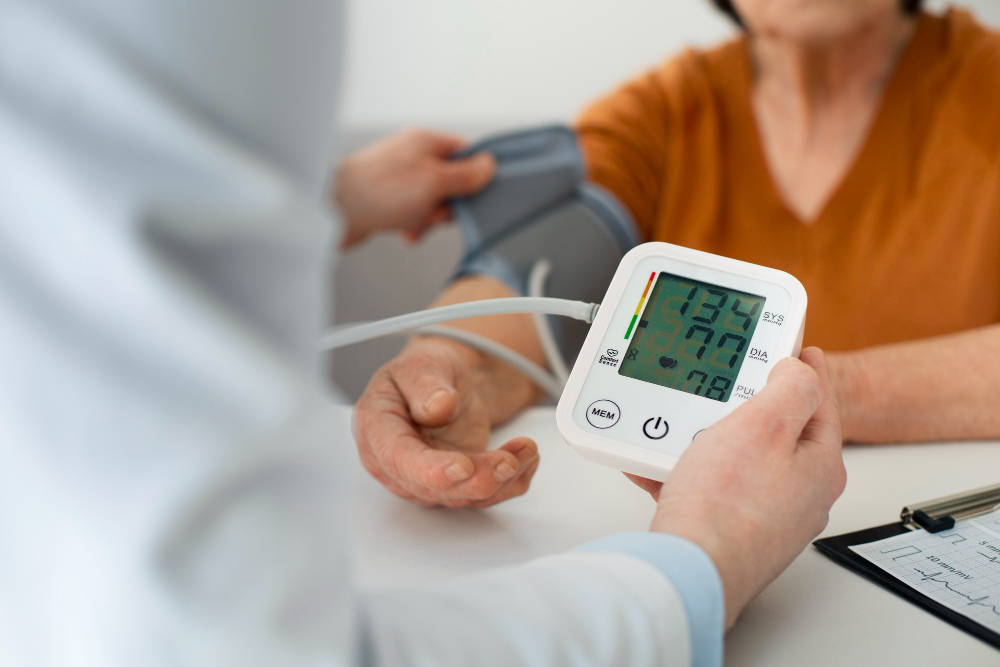
1. Monitor Your Blood Pressure at Home
Regular monitoring is one of the most effective ways to manage BP.
Tips:
- Measure at the same time every day
- Rest for 5 minutes before checking
- Use a validated digital BP monitor
👉 Ideal target: Less than 130/80 mmHg (for most individuals)
2. Reduce Salt Intake (Most Important Step)
Excess salt is a major contributor to high BP—especially in Indian diets.
Practical Tips:
- Avoid pickles, papad, and packaged snacks
- Reduce salt while cooking
- Check food labels carefully
👉 Target: Less than 5 grams (1 teaspoon) per day
3. Follow the Right Diet Pattern
The most recommended approach is the DASH Diet (Dietary Approaches to Stop Hypertension).
Include:
- Fresh fruits and vegetables
- Whole grains
- Low-fat dairy
- Nuts and seeds
Avoid:
- Processed foods
- Fried items
- Sugary beverages
👉 A proper diet alone can reduce BP by 8–14 mmHg.
4. Lose Excess Weight
Body weight has a direct impact on blood pressure.
- Losing just 5–10% of body weight can significantly reduce BP
- Focus on reducing belly fat
👉 Even small weight loss leads to noticeable improvement.
5. Exercise Daily
Regular physical activity strengthens the heart and lowers blood pressure.
Recommended:
- Brisk walking (30 minutes daily)
- Strength training (2–3 times/week)
- Yoga and breathing exercises
👉 Exercise can reduce BP by 5–8 mmHg.
6. Manage Stress Effectively
Chronic stress keeps your blood pressure elevated.
Effective Techniques:
- Meditation
- Deep breathing exercises
- Mindfulness practices
- Quality sleep (7–8 hours)
7. Limit Alcohol & Quit Smoking
- Alcohol raises blood pressure
- Smoking damages blood vessels and increases cardiovascular risk
👉 Eliminating both significantly improves heart health.
When Are Medications Needed?
Lifestyle changes are the foundation—but in many cases, medications are necessary.
Commonly prescribed options include:
- Telmisartan
- Amlodipine
👉 Important: Never stop or adjust medications without consulting your doctor.
Common Mistakes Patients Make
- Taking medicines irregularly
- Stopping treatment once BP is normal
- Ignoring diet and exercise
- Not monitoring BP regularly
👉 Hypertension requires consistent, lifelong management.
Can You Stop BP Medicines?
In some cases—yes.
If hypertension is detected early and mainly caused by lifestyle factors:
- Medication dosage may be reduced
- Some patients may discontinue medicines
👉 However, this must always be done under medical supervision.
Special Considerations for Indian Patients
- High salt intake in daily diet
- Sedentary work lifestyle
- Rising obesity levels
👉 Regular screening after age 30 is highly recommended.
When Should You See a Doctor?
Consult a specialist if:
- BP is consistently above 130/80 mmHg
- You experience headaches, dizziness, or fatigue
- You have diabetes or a family history of hypertension
Expert BP Control Program in Pune
At Dr. Aniket Oswal Clinic, we provide:
- Personalized blood pressure management plans
- Weight loss and metabolic health programs
- Medication optimization
- Complete lifestyle transformation guidance
Conclusion
Hypertension is manageable—and often preventable. The key lies in:
- Early detection
- Consistent lifestyle changes
- Proper medical guidance
👉 Don’t wait for symptoms. Check your blood pressure today and take control of your health.