
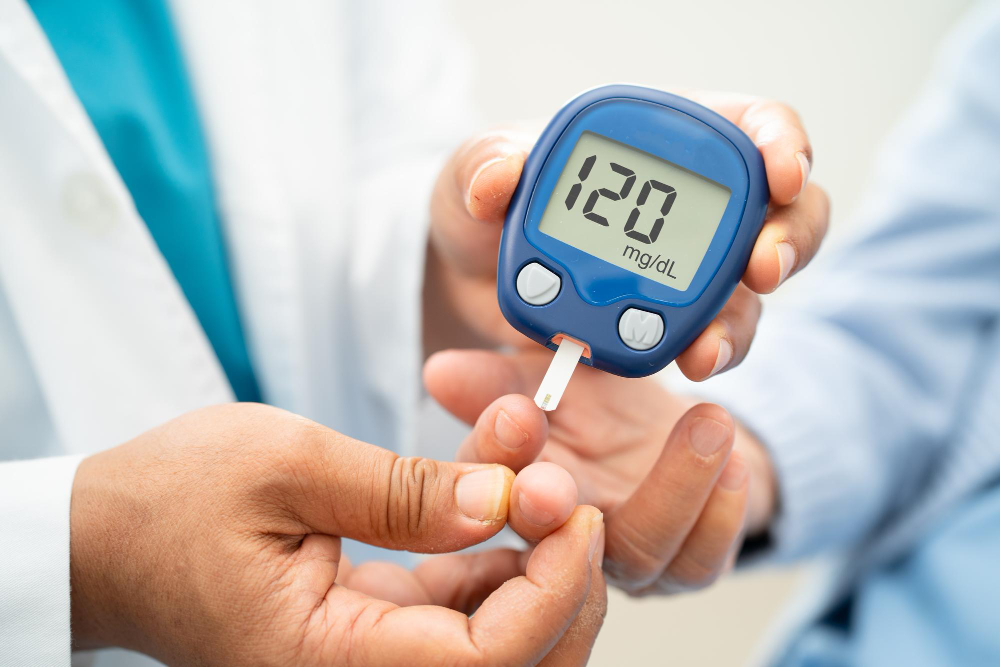
What is Diabetes?
Diabetes is a chronic medical condition in which the body is unable to properly regulate blood sugar (glucose) levels. Glucose is the main source of energy, but when it remains elevated in the blood, it can damage vital organs like the heart, kidneys, eyes, and nerves.
The most common types include:
Type 2 Diabetes – Most common; linked to lifestyle and insulin resistance
Type 1 Diabetes – Usually occurs in younger individuals
Gestational Diabetes – Develops during pregnancy
Early Symptoms of Diabetes
– Frequent urination
– Excessive thirst
– Increased hunger
– Unexplained weight loss
– Fatigue or weakness
– Blurred vision
– Slow wound healing
👉 Important: In Type 2 Diabetes, symptoms may be mild or absent for years—making regular screening essential.
What Causes Diabetes?
1. Insulin Resistance
Your body stops responding properly to insulin, leading to high blood sugar.
2. Genetic Factors
Family history significantly increases risk.
3. Lifestyle Factors
Sedentary lifestyle
High sugar & processed food intake
Obesity (especially abdominal fat)
4. Hormonal Imbalance
Conditions like PCOS can increase diabetes risk.
Who is at Risk?
You are at higher risk if you have:
- BMI greater than 25
- Family history of diabetes
- High blood pressure
- High cholesterol
- History of gestational diabetes
Complications of Uncontrolled Diabetes
If left untreated, diabetes can lead to serious complications such as:
- Heart disease and stroke
- Kidney failure
- Vision loss (diabetic retinopathy)
- Nerve damage (neuropathy)
- Foot ulcers and amputations
👉 Early control can prevent up to 90% of complications.
Diagnosis of Diabetes
Doctors diagnose diabetes using the following tests:
- Fasting Blood Sugar (FBS)
- Postprandial Blood Sugar (PPBS)
- HbA1c Test (3-month average sugar level)
HbA1c Levels:
- Normal: < 5.7%
- Prediabetes: 5.7% – 6.4%
- Diabetes: ≥ 6.5%
Best Treatment for Diabetes (2026 Approach)
1. Lifestyle Modification (Foundation)
- Balanced diet (low refined carbs, high fiber)
- Regular exercise (30–45 minutes daily)
- Weight reduction
2. Medications
Treatment is personalized and may include:
- Oral anti-diabetic drugs
- Advanced therapies like Semaglutide and Tirzepatide
These newer treatments help in blood sugar control, weight loss, and cardiovascular protection.
3. Insulin Therapy
Some patients may require insulin for optimal glucose control.
Diet Plan for Diabetes (Simple Guide)
✅ Eat More:
- Green vegetables
- Whole grains (in limited quantity)
- Protein (dal, paneer, tofu)
- Nuts and seeds
❌ Avoid:
- Sugar, sweets, cold drinks
- Refined flour (maida)
- Processed foods
👉 Rule: Control carbohydrates—not starvation.
Can Diabetes Be Reversed?
In early stages (prediabetes or early Type 2 Diabetes), reversal is possible with:
- Weight loss
- Strict diet control
- Medical supervision
However, long-standing diabetes is manageable but not completely curable.
Prevention Tips
- Maintain a healthy weight
- Exercise daily
- Avoid sugary foods
- Get annual health checkups
- Manage stress and sleep properly
When to Consult a Doctor?
You should seek medical advice if:
- You experience symptoms of high blood sugar
- Your HbA1c is above normal
- You are overweight with a family history of diabetes
Expert Diabetes Care in Pune
If you are struggling with diabetes, early expert intervention can help prevent complications and even reverse the condition in some cases.
At Dr. Aniket Oswal Clinic, you get:
- Personalized diabetes treatment
- Advanced weight loss therapies
- Diet and medication planning
- Long-term complication prevention
Conclusion
Diabetes is not just a “sugar problem”—it’s a lifestyle disease that affects your entire body. With the right treatment, diet, and medical guidance, you can live a healthy, active, and complication-free life.